


 0
 0
How to Conduct a Thorough Risk Assessment for Your Next Business Seminar
A risk assessment that is stored in a spreadsheet is not really a safety plan but rather a liability document. The distinction between organizers who host truly safe events and those who panic when something happens is simply when safety planning occurs.
Start the assessment at site inspection, not sign-off
Many teams believe that the site walkthrough is something that you greet with a smile and then get on with a real work of planning for the event. A real site inspection is so much more than that. You are mapping soft targets – loading docks, unmonitored side exits, kitchen access points, server rooms – anywhere a person or piece of equipment can move in or out without passing a credentialed checkpoint.
Sure, the main entrance looks great, but the devil is in the details. Things like unsecured power rooms, loading docks without permanently attached gates, easily accessible ladders to the catwalk, propped open delivery doors, fire exit doors blocked open, unmonitored storage areas, easily accessible keys, lack of a sign-out sheet for keys to unsecured areas, the lack of clearly defined zones between secure, public, conference attendee, and staff area – the list is potentially endless.
Build a credentialing system with actual teeth
The most critical areas where access control is usually not tight enough are load-ins and strikes. Most clients and planners are either unaware that someone moving a box of programs into the building is a potential security risk or are too eager to cut costs to properly address the need.
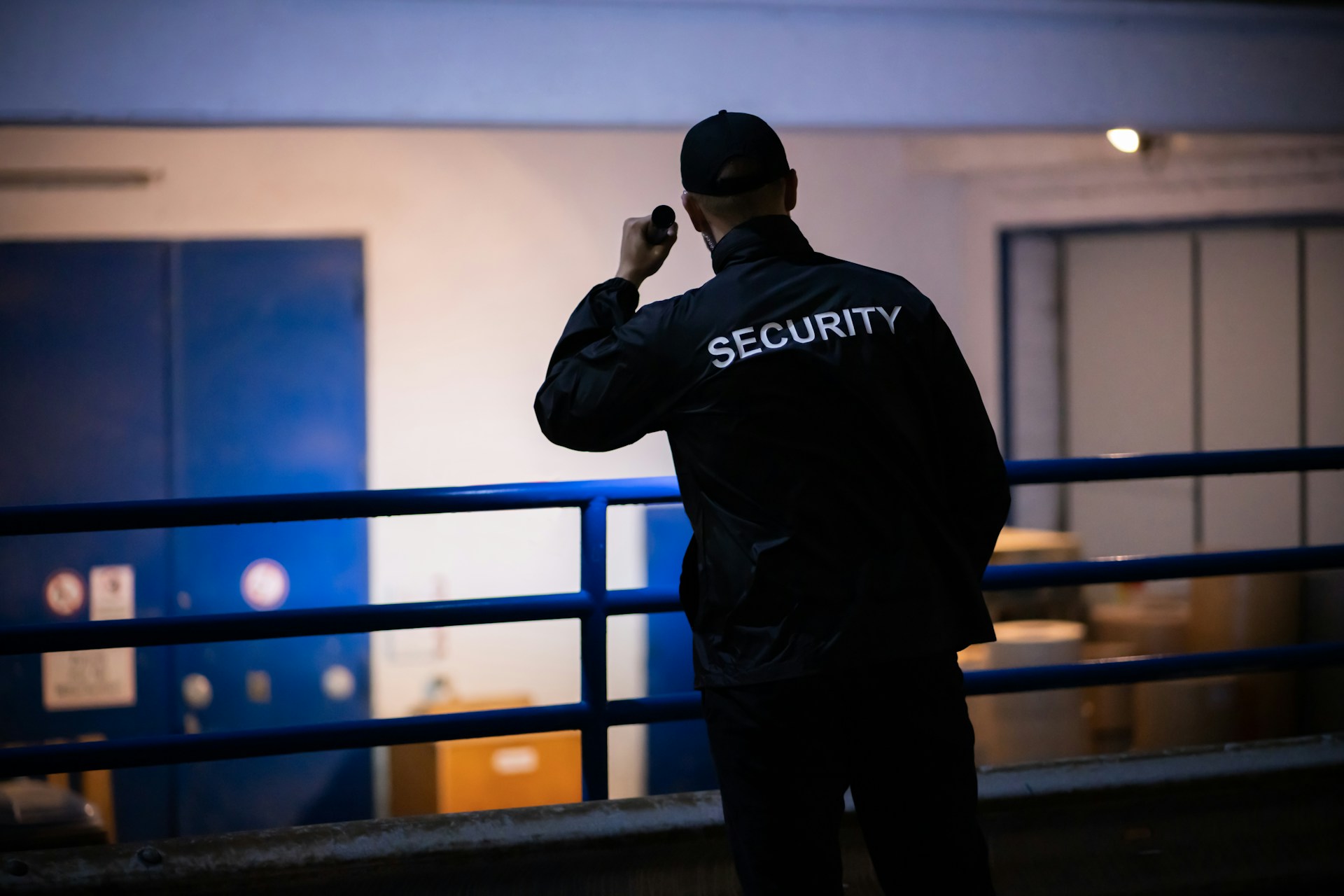
Given that perspective, the biggest room for improvement in the very important (if not life-wrecking) area of event security is hiring practices for the event itself. Working with Security Guards Melbourne brings licensed, trained personnel who can manage entry points, monitor crowd flow, and respond within a defined command structure rather than improvising under pressure.
Design a tiered response plan, not a single emergency procedure
Having someone put in a call the moment they realize they’re the first to know there’s a serious incident can save you half your response time. They also alert any second shifter or client contacts.
For a tier 1 incident, the first aid team and the guests they’re with move out of traffic to the nearest seating area or "beach the boat". The whole rest of your operation goes on as normal unless or until you hear otherwise.
For tier 2, medical and communications team starts logging if they aren’t already. The crisis lead acts as the one point of contact and control for professional emergency and support services – if the EMTs ask you to clear an exit, you do it and you’ll update your lead who’ll relay that.
It’s the crisis lead’s job to update management and decide if tier 3 is needed based on what they hear back about a tier 2 incident. We don’t let people start removing your carpark’s barriers just because an ambulance went by with its siren on.
Translate the paper plan into physical deployment
Security rarely appears in any event planning guide, but it’s worth having a conversation with your risk solutions provider or your venue to get recommendations. They’ve seen a lot of what can go wrong. It’s just as important to remember crowd management when selecting a venue. Your fire marshall-approved standing capacity is the upper boundary, not a target.
Site access isn’t just about the front door. Does the venue have unmarked entrances that need to be watched or locked? Does your proximity to a loading dock or dumpster area create potential for unmonitored access? Are unauthorized individuals staying in a guest room, working as a service provider, or hiding in a back corner of the exhibit hall?
Security is often a last-minute line item because it tends to be reactive rather than proactive. Because of that, a quality guard may push back on being told they’re only needed for the last hour of exhibiting hours when most booths are getting packed up. If you’re not sure if you’re over- or under-providing coverage, ask your lead. They should be able to explain why someone is posted at a seemingly empty hallway, boring the crowd lead to tears, while a line forms at the escalator stand for a social event.
The cost of skipping this is higher than the cost of doing it
More than one-third of companies consistently identify safety compliance as a top-five business concern – and these are the companies that have felt the downstream pain of getting it wrong.
Litigation in the aftermath of a preventable injury, regulatory fallout after an access infraction, or brand damage post a seminar making the media – it’s hard to recover from any of those. A rigorous risk assessment, undertaken early, and directly linked to real operational decisions is how you safeguard the return on what it costs to run a corporate seminar.
Security is not the last thing on the list you consider. It’s the lens through which you should view every other decision.